

Rug Repair Los Angeles
(818)665-8287



Rug Repair Los Angeles
To provide our customers with the best rug repair service in Los Angeles, we employ the most experienced artisans in the industry. We can handle moth-damage repair, dye-migration removal, resizing of all types of rugs, and more. Our work is guaranteed for the life of the rug.
When it comes to rug cleaning and repairs, trust none other than the certified professionals at Superior Rug Services in Los Angeles. We are fully trained and equipped to restore your rug to its former splendor. Our wide range of rug services is available to homeowners in Los Angeles and surrounding areas.
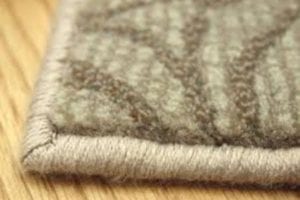
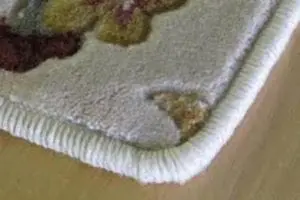
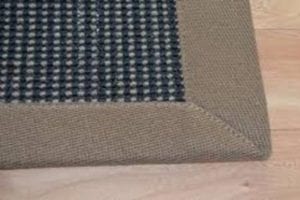
We have serging and binding machines that can handle all types of rugs. However, handmade rugs are always manually serged.
Binding a rug by hand can be tricky because if it is not done properly, the edges will have waves and will not lay flat. When you need handmade rugs serged, you can count on our expert weavers to do an impeccable job.
We have hundreds of yarn in different colors as well as binding tapes in stock. If necessary, we will dye the material to match your rug.
It doesn’t matter if your rug has suffered moth damage, dog bites, or just ordinary wear and tear. Superior Rug Services can reweave any rug, including older antique or semi-antique rugs.
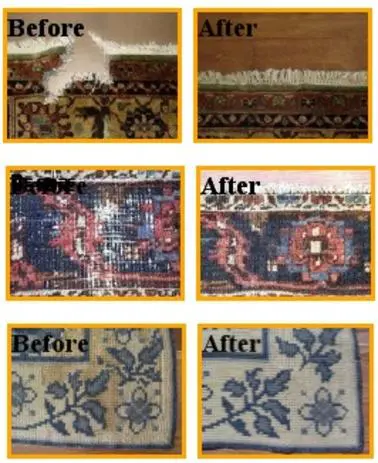
When your rug’s border wears out due to heavy foot traffic, you can rely on us to restore it. We offer complete repairing and binding replacement services for custom-made rugs.
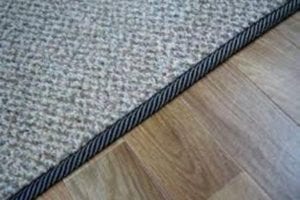
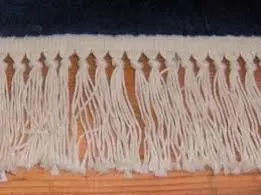
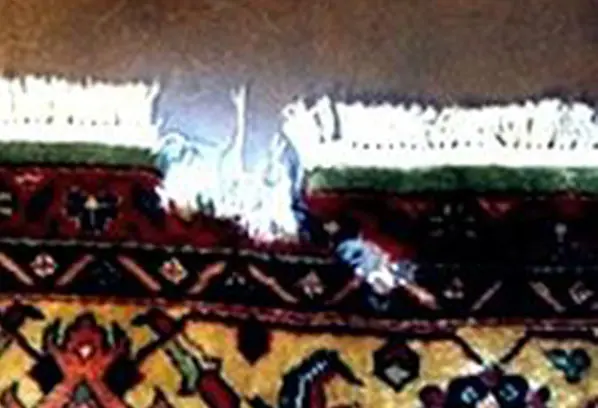
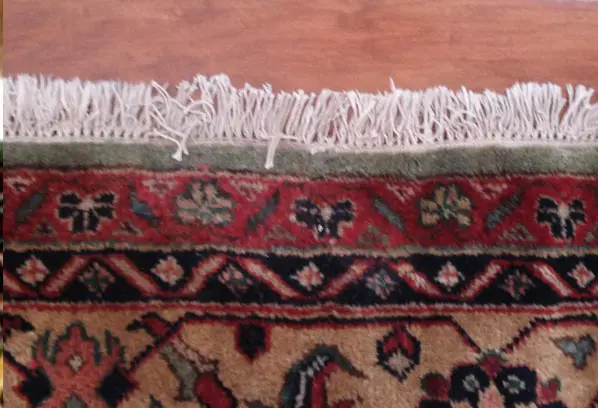
A rug’s fringes get thinner and shorter over time, so you will have to fix or replace them at some point. If you wait too long to address this issue, this may result in losing the pile, which will result in a costly repair. You can save yourself the trouble by reaching out to us to fix the fringes and/or add new ones.
Handmade vs. Machine-Made Rug Repair: A Complete Guide
When your beloved rug shows signs of wear, understanding the difference between handmade and machine-made rug repair can help you make informed decisions about restoration. Each type requires distinct techniques, expertise, and considerations.
Understanding Your Rug Type
Before pursuing repair, it's essential to identify whether your rug is handmade or machine-made. Handmade rugs feature irregular knots visible on the back, slight asymmetry in patterns, and individual character in each piece. Machine-made rugs display uniform, perfectly symmetrical patterns with a fabric or latex backing, and their construction appears consistently mechanical throughout.
Handmade Rug Repair
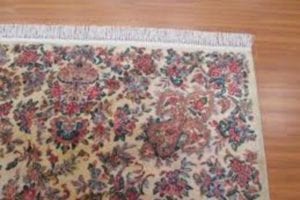
Handmade rugs, whether Persian, Turkish, Oriental, or tribal pieces, represent significant investments in artistry and craftsmanship. Their repair requires specialized skills that honor the original weaving techniques.
Common Issues with Handmade Rug Repair
Fringe damage occurs naturally as edges experience the most foot traffic and vacuuming stress. Moth damage creates irregular holes, particularly in wool rugs stored in dark spaces. Color bleeding happens when improper cleaning allows dyes to run between adjacent areas. Worn pile appears in high-traffic zones where the rug's surface has thinned considerably. Foundation damage affects the underlying structure where warp and weft threads have deteriorated.
Rug Repair Techniques for Handmade Rugs
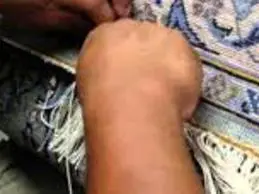
Reweaving involves matching the original knotting technique, whether Turkish or Persian knots, using hand-dyed wool or silk that precisely matches existing colors. Skilled artisans recreate the pattern strand by strand, making repairs virtually invisible. Fringe restoration may include reknotting original fringe, creating new fringe from matching materials, or overcast binding for severely damaged edges. Pile restoration addresses worn areas by re-knotting new pile to match the original height and density. Color correction treats faded or stained areas with careful re-dyeing to restore vibrancy. Selvedge repair reinforces side cords that have unraveled or weakened over time.
Why Professional Rug Repair Matters
Handmade rugs contain natural fibers requiring specific cleaning and repair methods. Improper techniques can cause irreversible damage. Expert repairers understand traditional knotting methods, can source or dye matching materials, recognize regional weaving patterns and techniques, and preserve both monetary and sentimental value.
Machine-Made Rug Repair
Machine-made rugs, while more affordable, still deserve proper care and repair to extend their lifespan. These rugs use different construction methods that influence repair options.
Common Issues with Machine-Made Rug Repair
Backing deterioration shows when latex or synthetic backing crumbles or separates from the pile. Seam separation occurs along joined sections, particularly in larger rugs. Burn marks from dropped cigarettes or candles damage synthetic fibers. Pet damage includes pulled loops, snags, and stains that penetrate synthetic materials. Edge fraying occurs when bound edges unravel from wear.
Rug Repair Techniques for Machine-Made Rugs
Patching works for small damaged sections by carefully cutting out the damaged area and inserting a matching piece secured with strong adhesive. Re-gluing addresses backing issues by applying new latex or adhesive to reattach the pile or stabilize crumbling backings. Binding and serging create new finished edges using matching thread and professional binding techniques. Burn repair involves carefully trimming damaged fibers and color-matching repairs with fabric markers or replacement fibers. Loop repair addresses pulled or snagged loops by trimming to match pile height or gluing loose loops back in place.
Limitations of Machine-Made Rug Repair
Not all machine-made rugs warrant expensive repairs. Consider the rug's original cost versus repair expenses, availability of replacement rugs in similar styles, extent of damage relative to overall condition, and sentimental value versus practical value.
Choosing Between Rug Repair and Rug Replacement
Several factors should guide your decision about whether to repair or replace a damaged rug.
For handmade rugs, repair almost always makes sense if the rug has significant monetary value, or represents a family heirloom or cultural artifact, and features rare or antique status, or shows only moderate damage to its structure.
For machine-made rugs, consider repair when sentimental attachment outweighs replacement cost, damage is minor, and repair is cost-effective; the rug matches existing décor and finding replacements is difficult, or the repair cost is less than half the replacement cost.
Finding the Right Rug Repair Professional
Quality rug repair requires specialized expertise. Look for professionals with formal training in textile restoration, extensive experience with your rug type, a portfolio showing before-and-after examples, transparent pricing and timeline estimates, and positive customer reviews and references.
Ask potential repairers about their specific experience with your rug's origin, the techniques they'll use for your particular damage, their timeline for completion and whether they'll provide progress updates, their warranty or guarantee on repair work, and proper storage and maintenance after repair.
Preventing Future Rug Damage
Proper care extends your rug's life and minimizes repair needs. Use quality rug pads to prevent slipping and reduce wear. Rotate rugs annually to distribute wear evenly across all areas. Vacuum carefully without using beater bars on fringe areas. Clean spills immediately by blotting rather than rubbing. Schedule professional cleaning every one to three years depending on traffic. Store properly in climate-controlled spaces with moth protection if needed. Protect from direct sunlight that fades colors over time.
The Value of Timely Rug Repair
Addressing damage promptly prevents minor issues from becoming major problems. Small fringe damage can spread to affect the entire edge. Isolated moth holes can expand throughout the rug if left untreated. Foundation damage worsens with continued use, eventually becoming irreparable. Color bleeding can permanently stain adjacent areas if not treated quickly.
Whether your rug is a treasured handmade masterpiece or a practical machine-made piece, understanding proper repair techniques helps preserve its beauty and functionality for years to come. The key is matching the repair approach to the rug's construction, value, and the extent of damage, ensuring that your investment in restoration makes practical and emotional sense.